Swept Away: The Complete Guide to Water Damage Restoration
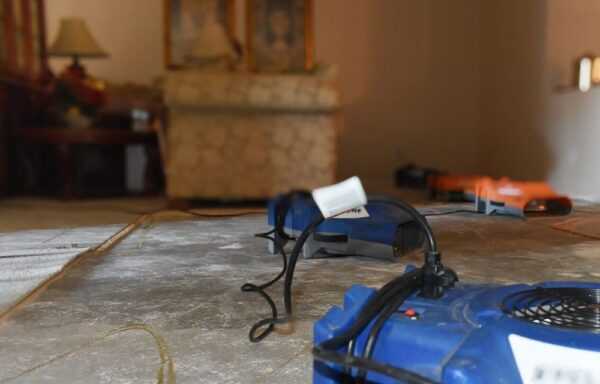
Water damage is one of the most stressful challenges a property owner can face. Whether it stems from a burst pipe in the middle of the night, a failing appliance, or severe weather flooding, water moves rapidly and destroys ruthlessly.
If you find yourself "swept away" by an unexpected water emergency, knowing exactly what to do can mean the difference between a simple drying job and tens of thousands of dollars in structural repairs. This comprehensive guide breaks down the restoration process, safety rules, and crucial steps to reclaim your space.
1. The Critical First Hour: Immediate Safety Actions
Before worrying about the carpets or walls, you must ensure your physical safety. Water and electricity are a lethal combination, and standing water can carry hidden biological hazards.
-
Shut Off the Water: Locate your property's main water shut-off valve and turn it off immediately to stop the flow if the source is an internal plumbing failure.
-
Kill the Power: If it is safe to access your electrical panel without stepping into standing water, turn off the breakers to the affected areas of the house.
-
Wear Protective Gear: If you must enter the area, wear rubber boots, gloves, and a mask.
-
Document Everything: Take clear photos and videos of all standing water, damaged belongings, and the suspected source of the leak before any cleanup begins. This is vital evidence for your insurance claim.
2. Understanding the Three Categories of Water
Restoration professionals classify water into three categories based on its cleanliness and potential health risks. Knowing what you are dealing with dictates how the cleanup must be handled.
3. The Professional 4-Step Restoration Process
When professional restoration teams arrive, they follow a strict, calculated procedure to ensure your home is dried completely to its structural core, preventing future issues like wood rot or mold.
4. The Invisible Enemy: Preventing Mold
Mold is the clock you are racing against during water damage. Mold spores exist naturally everywhere in the air, but they require only three things to colonize a home: a food source (drywall, wood, carpet), moisture, and time.
The 24-to-48 Hour Rule: Under normal room temperatures, mold spores can germinate and begin growing within 24 to 48 hours of water exposure.
To prevent a secondary environmental crisis, the relative humidity inside the affected space must be brought below 50% as fast as possible. If porous materials like carpet padding or insulation remain soaked past the 48-hour mark, they generally cannot be safely salvaged and must be discarded.
5. Navigating Insurance Claims
Filing a water damage claim can feel overwhelming, but staying organized keeps the process moving.
-
Call Immediately: Contact your insurance provider as soon as the emergency is stabilized. Many policies require "reasonable action" to mitigate further damage.
-
Keep Logbooks: Write down the dates, times, and names of everyone you speak to (adjusters, plumbers, restoration technicians).
-
Hold Onto Damaged Items: Do not throw away ruined electronics, furniture, or expensive items until an insurance adjuster has physically inspected them or given explicit permission to discard them.
Comments
Post a Comment